





:quality(85):upscale()/2026/01/02/072/n/1922564/79d389f869586660c6ef52.99623592_.jpg "Coach Kisslock Frame Bag Review with Photos")
:quality(85):upscale()/2025/12/02/798/n/1922564/70eb73a4692f2b61a84d05.78629684_.png "Calvin Klein Short Puffer Jacket With Scarf Review")
:quality(85):upscale()/2025/11/28/911/n/1922564/6007a1e4692a0b7e0754d6.70992304_.jpg "Amazon Black Friday Fashion Deals to Shop")
:quality(85):upscale()/2025/10/13/707/n/1922564/6af5db6368ed21dfb8d978.04319267_.png "7 Best Béis Travel Bags, According to Our Editors")

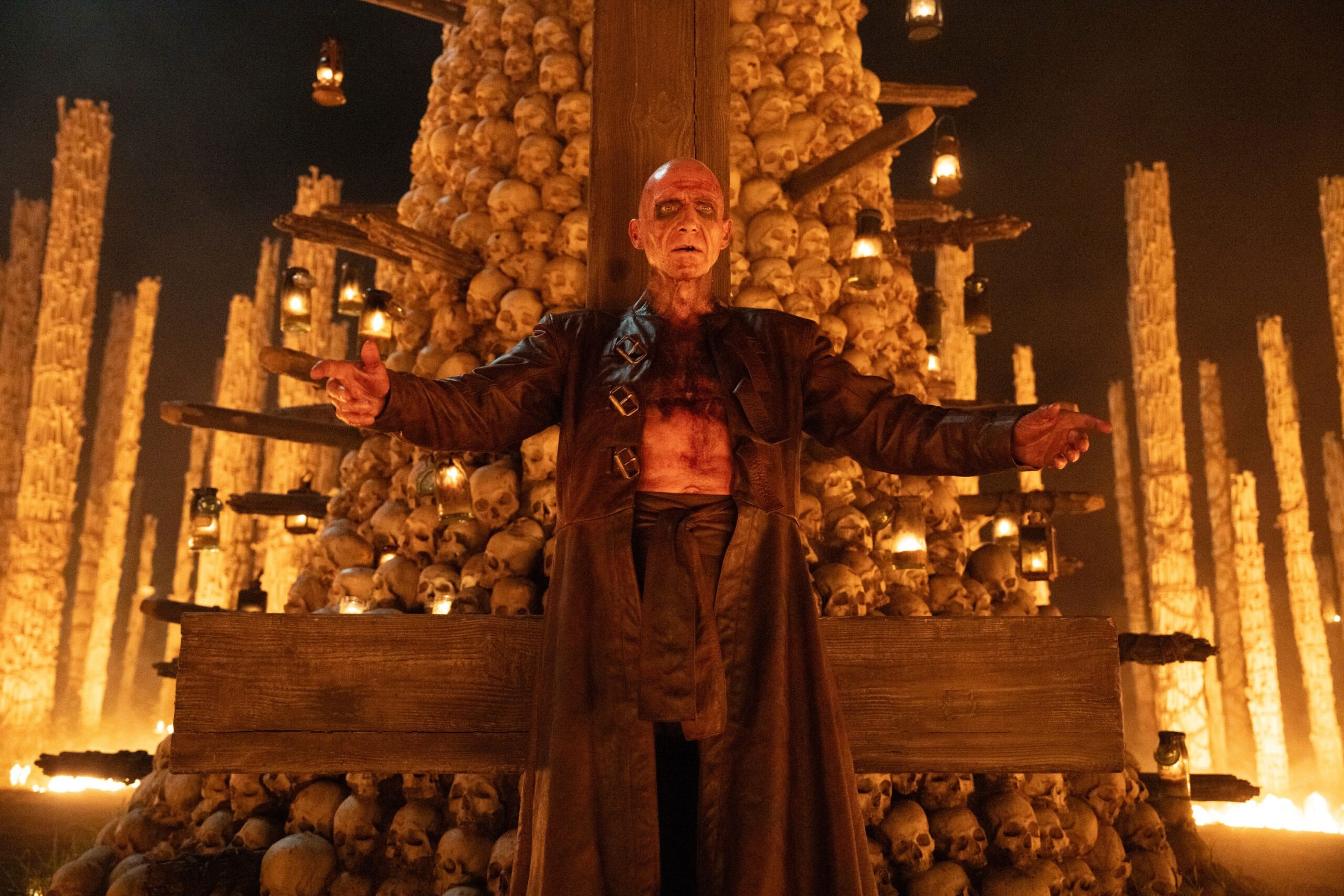


The Institute on MGM+ kicks off with a two-part premiere that leans into unsettling questions and government conspiracy vibes.
It’s the kind of slow-burning character drama that Stephen King adaptations tend to get just right when they’re firing on all cylinders.
Based on King’s 2019 novel, the series introduces us to Luke Ellis, a 14-year-old boy whose brilliance lands him in a facility that’s more “prison for gifted kids” than “prep school for prodigies.”

After a tranquil start on The Institute Season 1 Episode 1, “The Boy,” featuring standardized tests and basketball with a buddy, Luke is violently abducted from his home.
He wakes up in a place that looks suspiciously like a high school, with inspirational posters and friendly faces masking something far more sinister.
Inside the facility — known only as the Institute — Luke meets a handful of other kids, each of them with some form of telekinesis or telepathy.
There’s Kalisha, a straight-talking TP who gives him the lowdown; George, who’s basically weaponized vending machines; and Nicky, the elder teen who smokes, drinks, and plays chess under the moonlight.
They all have one thing in common: they’re being held against their will, drugged regularly, and poked and prodded by adults with an unsettling mix of calm and cruelty.

The show makes clear early on that whatever these kids are doing here isn’t optional, and the goal isn’t education. It’s experimentation.
Meanwhile, in another part of Maine, we meet Tim Jamieson, a former Boston cop who ends up in the sleepy town of Dennison after giving up his seat on a flight.
He’s now a “nightknocker” (a term people seem to struggle with), tasked with quietly checking on buildings in the middle of the night.
At first, Tim’s storyline feels disconnected, but thanks to a Ben Barnes’ standout performance and a natural, lived-in quality, his scenes offer breathing room from the high-stress environment of the Institute. Plus, it’s not hard to guess he’ll eventually collide with the kids’ story in a way that matters.
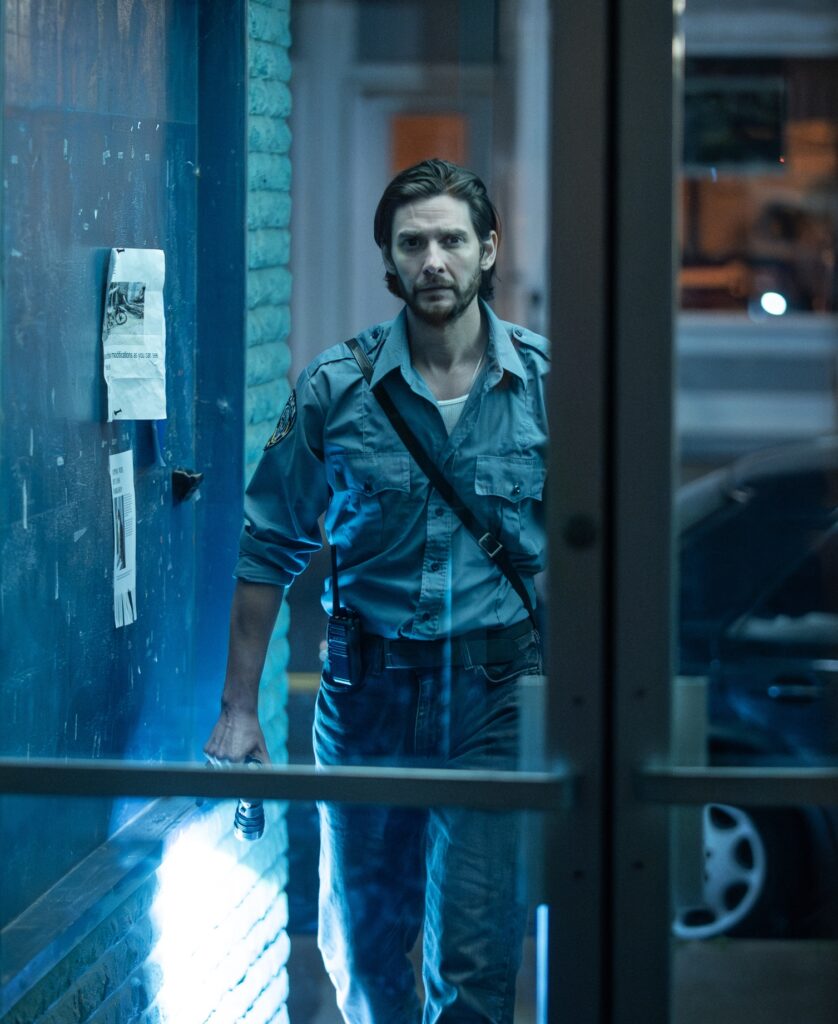
Tim is instantly likable — genuine, humble, haunted. He’s a reluctant hero with a quiet code of ethics, and it’s easy to root for him.
His scenes with a possibly-unwell, possibly-all-knowing woman named Annie are among the premiere’s best.
She’s erratic and cryptic, but when she starts throwing around warnings about deaths that weren’t accidental and knows a bit too much about Tim, it’s hard not to perk up.
If there’s one thing The Institute does well, it’s building an ominous mood.
The adults running the Institute, especially Ms. Sigsby (a woman who dances to Werewolves of London while searing herself with a coat hanger), walk a fine line between menacing and mundane.

There’s something bureaucratic about the whole operation that makes it even creepier — like they’ve done this so many times, it barely registers as evil anymore.
By the end of The Institute Season 1 Episode 2, “Shots for Dots,” there’s still a lot we don’t know.
What’s the real purpose of the Institute? What’s the “PC track” that’s apparently been put on hold? Why do kids disappear into the “back half” and never return? And what’s with the ominous smokestacks that belch out darkness once a week?
We also don’t yet understand what the tests are really measuring. The infamous “shots for dots” experiments push the kids to their psychic limits, but for what?
Hendricks and Stackhouse referenced something about “more keyholes coming up,” suggesting there’s a countdown of sorts — maybe an event or opening they’re preparing for.

It’s unclear whether the goal is to unlock power, locate something, or build a weapon, but the intensity of the testing makes it clear that these kids are pawns in a game far bigger than they realize.
Then there’s the staff. The kids know they’ll need one of the adults to help them escape, but the candidates are grim.
Tony is abusive and volatile. Stackhouse is pure authoritarian muscle. Hendricks comes off as spineless — one of those “just following orders” types.
That leaves Ms. Sigsby. And while she’s clearly dangerous, there are cracks in her armor.
She burns herself with coat hangers to feel something, and she’s the primary caregiver for a father with dementia — a subtle but powerful nod to the emotional toll of institutionalization.

If anyone on staff is capable of seeing the kids’ humanity, it might be her. And let’s be honest: with Mary-Louise Parker in the role, redemption isn’t off the table.
The show is playing the long game with its central mysteries, but it’s smart to hook us emotionally before it goes full sci-fi thriller.
Luke’s intelligence makes him uniquely aware of his situation, and he quickly sees through the manipulation, making it harder for the adults to control him with jellybeans and threats.
And while the escape plot is definitely underway, the real juice lies in the why, not the how — and that seems to be where The Institute is headed.

Tim and Annie are already emerging as the series’ MVPs. Annie, especially, adds just enough otherworldly paranoia to keep things interesting.
Whether she’s mentally ill, supernaturally gifted, or just tuned into something most of us aren’t, she’s the character you can’t stop watching — and listening to, closely.
If the rest of the series can keep this tone — moody, mysterious, with a smattering of dark humor and slow-reveal horror — it might just be one of the sleeper hits of summer.
More Mind Benders
What’s really going on in the back half? The birthday cake and teary goodbyes don’t exactly scream “promotion.” Where are these kids going, and why does no one ever return?
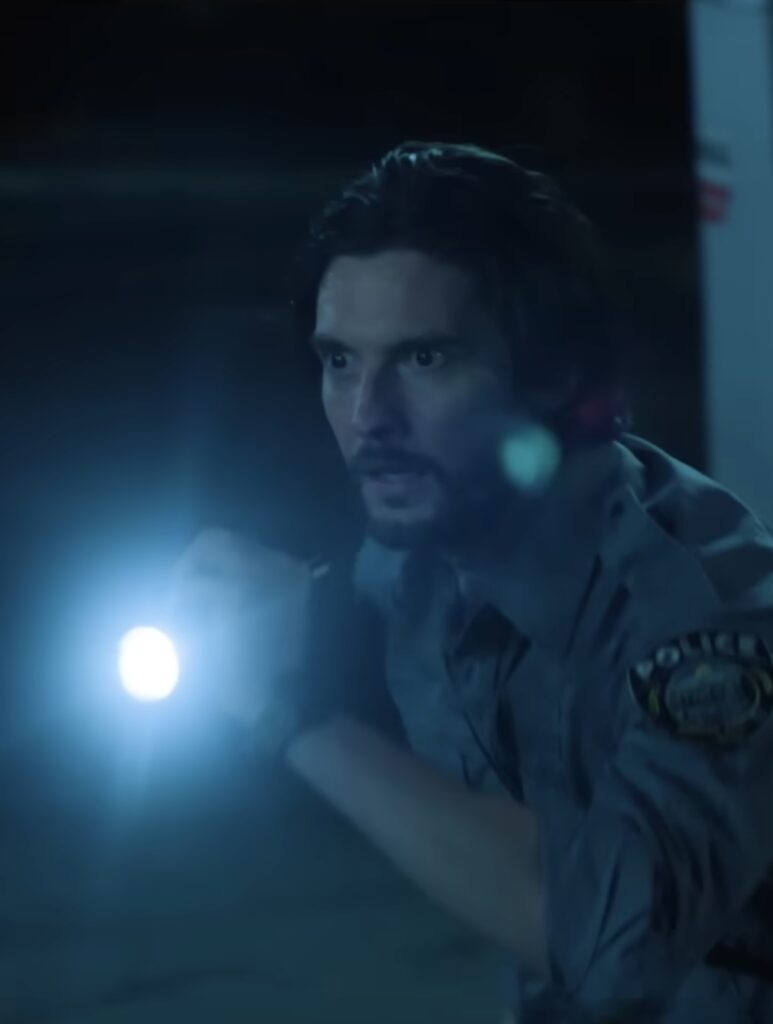
Can Luke’s intelligence outmaneuver the Institute’s cruelty? He’s smart enough to see through their tactics — but will it be enough to survive their “treatments”?
Tim Jamieson, unlikely hero? He’s new in town, but already catching whispers of something rotten in the woods. Will he connect the dots in time?
Annie: Crazy or clairvoyant? Her talk of pinky toes and government conspiracies might not be so far-fetched. Is she the truth-teller no one wants to hear?
Is the Institute really saving the world — or covering something up? Their mission sounds noble. Their methods? Not so much. (This is redundant… we know the odds of saving the world are slim to nothing.)

Will TK and TP gifts be enough to fight back? With mind-readers and telekinetics in the mix, the kids might have more power than the adults realize — if they survive long enough to use it.
What happens to the kids who leave, and what’s with the smoke that follows? There’s a new cloud rising every week. Whatever’s burning, it’s not just trash.
We know we’re behind the eight ball on this one, so please forgive us. We’ll be on top of it for week two!
But what about you? Did you tune in? If you didn’t, does this review pique your interest?
Why not join us for a summer adventure straight from the mind of Stephen King and the people who bring us FROM?
Watch The Institute Online

-

Real Life Doesn’t Work Like This: TV’s Most Bizarre Everyday Lies
TV lies constantly, and we’ve had enough. From spotless homes to uncharged phones, here’s everything TV gets hilariously wrong about real life.
-
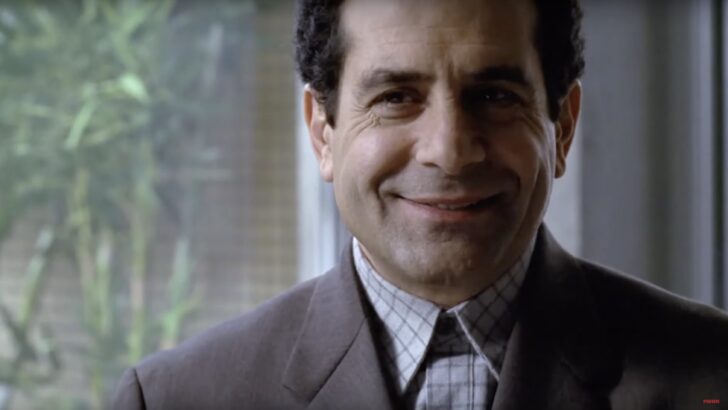
TV Characters Who Show What Anxiety Looks Like — Then and Now
From Monk to The Bear, TV has always reflected anxiety, even when we didn’t have the words for it. Here’s how it’s evolved across decades of television.
-

19 (Objectively Bad) Shows We Couldn’t Stop Watching
They were messy, ridiculous, and sometimes downright terrible, but we couldn’t stop watching. Here are 19 objectively bad TV shows we devoured anyway.
The post The Institute Series Premiere Review: Fun Mind Games Should Make for a Thrilling Summer appeared first on TV Fanatic.